

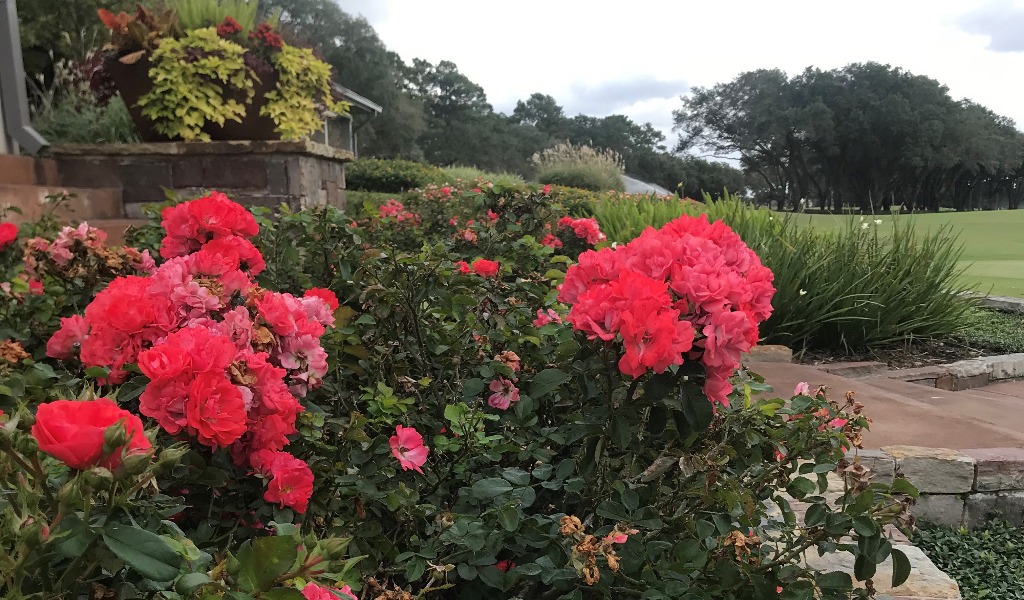
Few plants have been as closely associated with romance, beauty and timeless appeal as the rose. In Texas landscapes, rose gardens continue to be embraced not only for their elegance, but also for their ability to anchor outdoor spaces with color, fragrance and structure. When thoughtfully cultivated, roses can flourish across the state’s varied climates, offering year-round visual interest and seasonal moments of drama.
Successful rose gardening in Texas is guided by a blend of horticultural knowledge, climate awareness and intentional design. With the right approach, rose gardens are transformed from high-maintenance features into enduring landscape investments.
Select Roses That Thrive in Texas
Care for roses begins long before planting. Varieties well-suited to Texas conditions are more likely to thrive with minimal intervention. Shrub roses and certain antique varieties have been widely favored for their heat tolerance, disease resistance and adaptability.
In hotter regions, roses that tolerate extended periods of sun and humidity are often preferred. In North Texas, for example, cold-hardy varieties are typically selected to withstand winter fluctuations. Across the state, roses with proven resilience are recommended over hybrid types that demand frequent chemical treatments. By choosing regionally appropriate roses, gardens are positioned for long-term success while maintaining a refined, natural aesthetic.
Set the Foundation with Soil Preparation
Healthy soil is considered the cornerstone of any successful rose garden. In many parts of Texas, native soils tend to be heavy clay or sandy loam, both of which benefit from amendment prior to planting.
Organic matter such as compost is commonly incorporated to improve drainage, increase nutrient availability and encourage root development. Slightly acidic soil conditions are ideal for roses, and soil testing is often advised before installation to ensure proper balance. When soil is prepared with intention, roses are better equipped to withstand seasonal stress and produce consistent blooms.
Plant With Purpose
Roses are typically planted during cooler months, allowing roots to establish before summer heat arrives. Spacing is carefully planned to promote airflow, which helps reduce disease pressure in humid conditions.
Sun exposure is also critical. Roses perform best when provided with at least six hours of direct sunlight daily. In Texas, morning sun is especially valued, as it dries foliage early in the day and reduces the risk of fungal issues. Planting decisions guided by site-specific conditions often result in healthier plants and a more cohesive garden design.
Water Smart
Water management plays a vital role in rose care, particularly in a state known for drought cycles and water-use considerations. Deep, infrequent watering is generally recommended to encourage strong root systems.
Drip irrigation systems are often utilized to deliver water directly to the root zone while minimizing evaporation and overspray. By keeping foliage dry, the likelihood of disease is reduced, and water efficiency is improved. As water conservation continues to shape landscape practices in Texas, thoughtful irrigation strategies are increasingly seen as both responsible and essential.
Seasonal Pruning & Maintenance
Pruning is viewed as a seasonal ritual rather than a chore. In late winter, roses are typically pruned to remove dead or damaged growth and to shape plants for the coming growing season. This practice encourages vigorous new growth and abundant blooms.
Throughout the year, spent flowers may be removed to promote continued flowering, while light shaping helps maintain a polished appearance. In fall, pruning is often minimal, allowing plants to prepare naturally for dormancy. When maintenance is approached with patience and consistency, rose gardens are allowed to evolve gracefully over time.
Protect Against Pests & Disease
Texas roses can be susceptible to pests such as aphids and spider mites, as well as diseases like black spot. However, integrated pest management practices are increasingly favored over routine chemical use. Healthy soil, proper spacing and appropriate watering form the first line of defense. Beneficial insects are often encouraged, and treatments are applied only when necessary. This balanced approach supports plant health while preserving the surrounding landscape ecosystem.
A Garden Meant to Last
In Texas, rose gardens are not simply planted — they are cultivated with vision. With proper planning, informed care and a respect for regional conditions, roses reward gardeners with beauty that deepens year after year.
For homeowners seeking a landscape that feels romantic, enduring and refined, roses remain an inspired choice. To create a rose garden that reflects both artistry and expertise, Prewett, Read & Associates is available to guide every step of the process. From design to installation and ongoing care, professional landscape services are offered to help outdoor spaces reach their fullest expression. Contact our team to begin cultivating a landscape designed to flourish.