

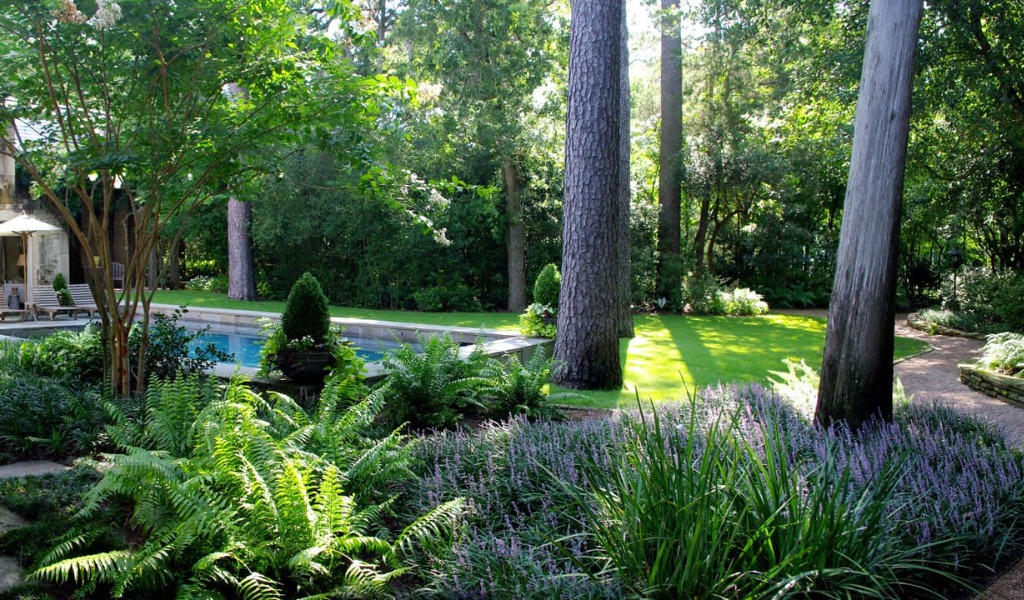
A vibrant landscape doesn’t happen by chance. Behind healthy lawns, flourishing trees and colorful gardens is consistent care that supports plant health throughout the year. One of the most important elements of that care is proper fertilization. When used strategically, fertilizer strengthens plants, improves soil health and encourages steady growth that keeps landscapes looking their best in every season. Understanding how fertilizer supports plant health can make a meaningful difference in the appearance and longevity of a landscape. In this article, we’ll take a closer look at the benefits of fertilizer on landscape maintenance.
Why Fertilizer Matters
Plants rely on nutrients in the soil to grow, develop roots and produce foliage or blooms. Over time, however, soil naturally loses nutrients as plants absorb them and environmental factors such as rain and irrigation wash them away.
Fertilizer replenishes these essential nutrients, giving plants the resources they need to thrive. The primary nutrients found in most fertilizers are nitrogen, phosphorus and potassium, each of which plays a distinct role in plant health. Nitrogen promotes lush green growth and supports strong leaf development, while phosphorus encourages healthy root systems and potassium strengthens plants overall, helping them resist stress from drought, disease and temperature fluctuations. Without these nutrients, landscapes can appear thin, dull or uneven. Proper fertilization restores balance to the soil and helps plants grow fuller and stronger.
Supporting Strong Roots & Healthy Soil
Healthy landscapes begin below the surface. Fertilizer encourages deeper root development, allowing plants to access water and nutrients more efficiently. Strong root systems also help plants remain stable during periods of heat, drought or heavy rainfall.
Fertilization also contributes to overall soil health. Nutrient-rich soil supports beneficial microorganisms that improve soil structure and enhance nutrient absorption. Over time, this creates an environment where plants can grow more consistently and require fewer corrective treatments. When soil conditions are balanced, lawns become denser, shrubs grow more evenly and trees develop stronger canopies.
Enhancing Color, Growth & Seasonal Beauty
One of the most visible benefits of fertilizer is improved color and vibrancy. Lawns appear greener, flowering plants produce more blooms and foliage develops a fuller appearance.
Spring fertilization is especially important because plants are emerging from winter dormancy and beginning their active growth cycle. During this period, landscapes benefit from the extra nutrients that fuel new shoots, leaves and flowers. Consistent fertilization throughout the year ensures plants maintain steady growth rather than experiencing periods of decline. The result is a landscape that looks healthy and polished in every season.
Improving Plant Resilience
Landscapes face a variety of environmental stresses, including extreme heat, inconsistent rainfall, pests and disease. Fertilizer strengthens plants at a cellular level, helping them recover more quickly from these challenges.
Well-nourished plants develop thicker leaves, stronger stems and more robust root systems. These characteristics make them less vulnerable to damage and allow them to bounce back more easily after difficult weather conditions. Healthy plants also compete more effectively with weeds, reducing the likelihood that invasive plants will take hold in garden beds or lawns.
The Importance of Professional Fertilization
While fertilizer offers clear benefits, applying the right nutrients at the correct time requires knowledge of soil conditions, plant varieties and seasonal growth cycles. Overfertilization can stress plants and contribute to runoff, while under-fertilization may not provide the nutrients plants need.
A professional landscape team evaluates soil quality, plant health and environmental factors before recommending a fertilization plan. This tailored approach ensures each area of the landscape receives the nutrients it needs without unnecessary applications.
Strategic fertilization also works best when paired with other maintenance practices such as pruning, irrigation management and seasonal planting.
Cultivating a Landscape That Thrives
Fertilizer plays a key role in creating landscapes that remain lush, colorful and resilient throughout the year. By replenishing nutrients in the soil and supporting strong plant growth, fertilization helps landscapes maintain their beauty and vitality over time.
With thoughtful care and professional guidance, homeowners can cultivate outdoor spaces that flourish season after season, providing both visual appeal and a welcoming environment for years to come. Reach out to us to discuss bringing life to design with ongoing landscape maintenance.